Hybrid App or PWA — Which Is Better for User Experience and Speed?


Mobile apps now play a major role in online shopping, service bookings, education platforms, and customer support. People prefer apps that load fast, look clean, and work smoothly on any device. Businesses want these features without spending a high development cost.
That is why they compare Hybrid Apps and Progressive Web Apps before starting development. Both options help reach users on mobile phones, tablets, and desktops, but in different ways. Most business owners focus on user experience, loading speed, mobile access, storage needs, and flexibility.
With the right Mobile App Development Company, it becomes easier to select the best option that fits your goals and budget.
What Is a Hybrid App?
A Hybrid App is made using web technologies but packed in a native container. It runs on Android and iOS without building two separate apps. Developers write one code and make it run on multiple platforms. Hybrid apps give a real mobile app feel, with access to camera, GPS, storage, fingerprint scanner, and push notifications.
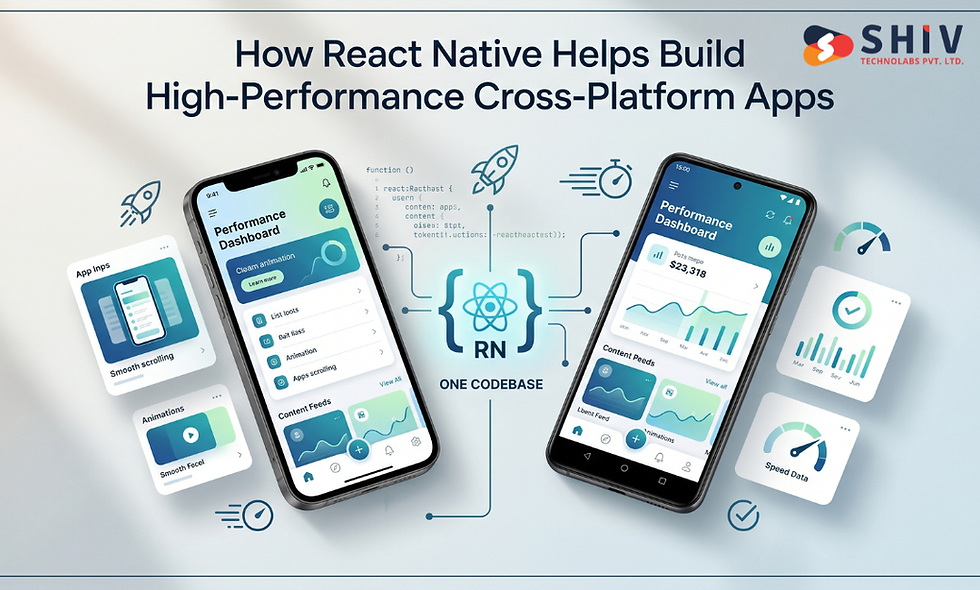
Developers often use React Native, Ionic, or Flutter to build Hybrid Apps. These apps are faster than basic web apps and lighter than native apps. They suit ecommerce stores, fitness apps, social media apps, and booking platforms.
Hybrid apps also support offline mode using local storage and can store user session details even without internet access. This makes them useful for travel, content apps, and chat applications.
What Is a Progressive Web App (PWA)?

A Progressive Web App is a website that behaves like a mobile app. It runs in a browser but still gives app-like features such as offline access, push messages, smooth browsing, and quick loading. Users do not need to download it from the app store. Instead, they open it in the browser and add it to their home screen with one click.
PWAs are built using HTML, CSS, and JavaScript, but they use service workers to load data faster. They are light, quick, and work well even on low internet speed. PWAs are best for news websites, e-commerce platforms, online catalog apps, and booking systems.
People like PWAs because they do not consume much phone storage space. They update automatically without asking users to install new versions.
Which One Gives Better User Experience?

Hybrid Apps feel more like true mobile apps because they run using native elements. They offer smooth scrolling, attractive layouts, and better animation. They also allow access to hardware features like camera, sensor, GPS, contacts, microphone, and calendar.
PWAs also offer a good experience, but they feel more like mobile websites. They are fast and responsive but cannot always match the deep mobile app feel. PWAs do not always support advanced hardware features. However, they do offer clean design, simple layout, and instant loading, which improves user satisfaction.
If your app needs deep device integration, Hybrid is a better choice. If you want fast loading without complex functions, PWA works very well.
Installation and Accessibility
Hybrid Apps need to be downloaded from the Google Play Store or Apple App Store. This gives a feeling of trust because users know the store verifies apps. But some users avoid downloading apps because of storage issues.
PWA does not need app store approval. Users open the web link and install it directly from the browser without waiting. It stays on the home screen like a normal app but takes very little space. PWAs also do not need updates from the app store. They auto-update every time users load them.
Hybrid apps win when app store presence and brand value matter. PWAs win when quick access and user reach matter.
Performance and Loading Speed
Hybrid apps perform well, but performance depends on how they are coded. Apps made with React Native or Flutter work faster and feel close to native apps. But an outdated device may sometimes struggle with heavy Hybrid apps.
PWAs are known for speed. They use caching to load pages faster. Even on slow internet, PWAs show content quickly. This makes them ideal for ecommerce sites, news platforms, real estate listings, and service companies.
PWAs use less data, load faster, and feel smooth. Hybrid apps are fast, but speed varies based on device and code quality.
Offline Mode Support
Hybrid apps store user data on the device. They work well even when internet access is limited. For example, fitness apps, language learning apps, and note-taking apps can work offline.
PWAs also support offline usage, but only for previously visited pages. They use service workers to cache pages and allow browsing even without internet. PWAs work great for reading articles, checking product details, and reviewing past data.
Hybrid apps offer stronger offline support when real-time interaction or data entry is needed. PWAs are great when simple browsing is enough.
Cost and Development Time
Building a Hybrid App costs more than a PWA but less than two native apps. It needs app store testing, release process, and performance tuning. It also requires regular updates when new device versions or screen sizes arrive.
PWAs cost less because they are built once and run everywhere. No app store approvals, no separate mobile testing, and no release schedules. Changes reflect instantly online.
Businesses with lower budgets or faster goals choose PWA. Those who want long-term app branding, store presence, and advanced features go with Hybrid.
Security Features
Hybrid apps can use device-level security such as biometric authentication, file encryption, and secure storage. They can also integrate banking APIs, medical data protection, and two-factor authentication.
PWAs follow browser-level security. They rely on HTTPS encryption and API-based security. They are safe but not always suitable for sensitive apps like finance or health applications.
Hybrid apps are safer for banking, health records, or online payments. PWAs are suitable for retail, directories, travel sites, and catalogs.
When Should You Choose Hybrid App
You should choose a Hybrid App if:
You want full access to mobile features like GPS, sensors, and camera
You want your app in Play Store or Apple App Store
You plan to build a long-term digital product
You need push messages, offline access, and advanced performance
You need smart and custom UI with animated layouts
Hybrid apps work well for social media, food delivery, OTT, fitness, chat, and booking platforms.
When Should You Choose PWA
You should choose PWA if:
You want fast performance with low cost
You want users to access from web and mobile without downloading
Your audience opens your website from different browsers
You want automatic updates without asking users to download new versions
You need quick development for marketing or product testing
PWAs suit e-commerce stores, education platforms, service booking apps, blogs, and news websites.
Choosing the Right App Type Based on Your Business Goals
Both Hybrid Apps and PWAs offer quality user experience, but they serve different needs. Hybrid Apps are better when you want advanced features, full mobile access, smoother interaction, and app store presence. PWAs are ideal when you need fast loading, simple access, lower cost, and wider reach across all devices.
Business goals, audience behavior, and long-term plans play a big role in this decision. A trusted Mobile App Development Company studies your industry, compares both platforms, and helps you select the best option for growth, user engagement, and future updates.
Shiv Technolabs: Your Partner for Mobile App Development Services
Planning to build a Hybrid App or a PWA? Shiv Technolabs offers smart and reliable Mobile App Development Services built to match your goals, audience, and performance needs.
Our team designs and builds fast, secure, and scalable applications for multiple platforms using the latest tools and frameworks. We guide you right from planning to deployment with complete support.
Why choose us?
Hybrid App and PWA development in one place
Custom features based on business type and industry
Clean interface and performance-focused design
Testing, support, and maintenance for long-term growth
Want to know which app type suits your business needs? Contact us now to discuss your idea and get expert guidance.
Conclusion
Hybrid Apps and PWAs both offer solid user experience, but they work on different technical foundations. Hybrid Apps run through a single codebase inside a native shell, which allows deeper access to device features like camera, GPS, and sensors. They support strong security options, offline performance, API linking, and native interface components.
If your goal is fast performance, quick release, wider reach, and browser-first access, then PWAs suit your needs. A skilled Mobile App Development Company helps you study technical requirements, user journey flow, and performance goals to choose the correct approach.


Comments